
Introduction
Digital-laziness is the silent productivity killer of our screen-obsessed era, where endless scrolling replaces meaningful action.
Recent reports suggest people spend roughly 6–7 hours a day online, with 3–4 of those hours on mobile. Short-form video viewing has surged, making it easier than ever to slip into “just one more clip” mode before bedtime.
In this post, we’ll explore the causes of screen-induced idleness, whether tech gadgets are to blame, and how the same technology that makes us lazy can also motivate us to move.
🔑 Key Takeaway
Digital-laziness isn’t inevitable—it’s the result of persuasive app design, autoplay, and infinite scroll. But the same tech can combat idleness with fitness trackers, app limits, and focus modes.
Lethargy: The Epidemic of Idleness
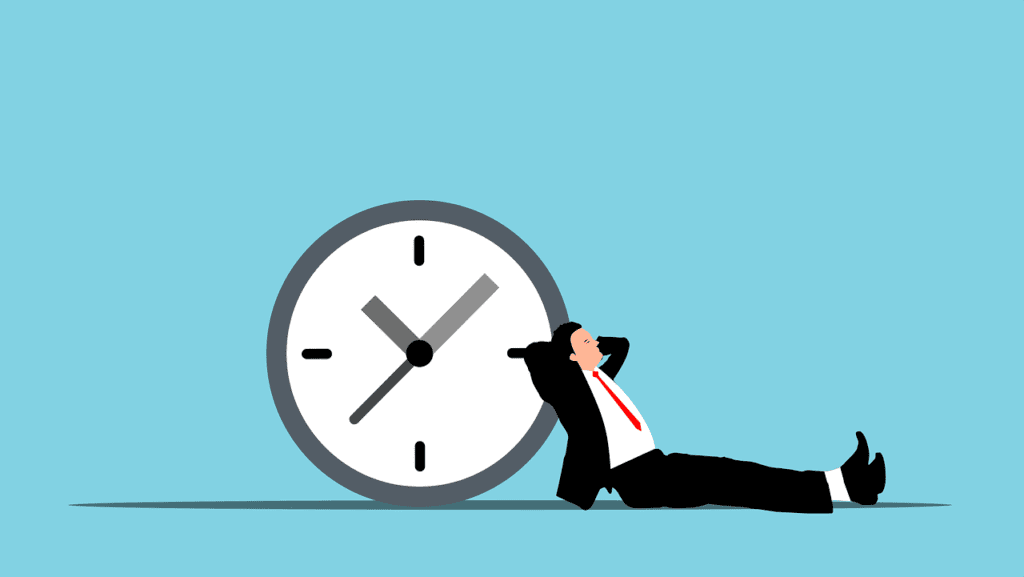
This epidemic of idleness is sprawled across your beloved couch like a cat in the sunshine.
Eons ago people bartered goods; now we barter Netflix recommendations. And with screen time creeping up worldwide, it’s no surprise that our “five-minute breaks” sometimes turn into full-length features.
Health agencies caution that a big slice of adults aren’t meeting movement guidelines. Screen habits plus low movement compound that sticky, stuck-on-the-couch vibe.
Are Tech Gadgets the New ‘Lazy Boy’?
Gadgets offer up “convenience on a silver platter”, making it virtually impossible to resist lounging around and scrolling through social media feeds until we forget what day it is.
- Endless autoplay—the next video starts before you can decide to stop
- Push notifications—constant interruptions pulling you back to screens
- Bite-sized content queues—an attention buffet open 24/7
Factors Beyond Technology
Digital idleness arises from multiple factors—not solely “the internet” itself:
- Persuasive app design—engineered to keep you engaged
- Environmental cues—comfy couch, midnight snacks, easy access
- Personal habits—the inner procrastinator whispering “15 more minutes won’t hurt”
How Does Technology Contribute to Laziness?
The pattern looks like this: frictionless feeds + autoplay + infinite scroll + irregular breaks = time dilation.
Average daily screen time has ticked up in many regions, and a notable share of adults still fall short of weekly movement targets—making the combo of long sits and long scrolls a credible energy drain.
Tech lowers barriers to both productive and idle behaviors; which path we take often depends on the defaults we set and the nudges we accept.
The Flipside: Can Tech Promote Activeness?
Technology isn’t just about sinking into your couch and turning into jelly. Enter the new-age tech fitness trainer.
- Smartwatches and fitness apps—nagging you about unfinished reps and calories burned
- Wrist-based inactivity nudges—stand and move alerts throughout the day
- Virtual reality workouts—turning a small room into a sweaty playground
- Screen Time dashboards—awareness is the first step to change
The same tech that tempts the sloth can also train it.
✅ Action Steps: Beat Digital-Laziness
1. Set app time limits | 2. Use the 20-20-20 eye rule | 3. Schedule hourly movement prompts | 4. Enable focus modes during work | 5. Replace one scrolling session with a walk
Conclusion
Going from tech sloths to techno-dynamites—just like hot water into instant coffee. This is the essence of the tech and smart life philosophy.
Remember, you’re the master of your gadgets, not the other way round.
Short, planned breaks and calibrated app limits can help, while abrupt “detoxes” show mixed results. Sustainable routines—like the 20–20–20 eye rule, hourly movement prompts, or focus schedules—tend to stick better than all-or-nothing grand gestures.

Mohamed Ibrahim explores how technology reshapes human behavior, relationships, and society at Tech’s Impact: Rewiring Society and Concepts. His research-backed writing helps readers navigate the digital age without losing what matters most.


