Introduction
Are robots on the verge of replacing humans in the near future? This question has sparked intense debate among experts worldwide.
As AI continues to progress, the ethics of AI-human integration become increasingly important. While robots excel at performing specific tasks, they lack soft skills that humans naturally possess.
The most significant advancements occur when AI and human collaboration leads to new innovations. Understanding the future of this partnership is essential as we navigate these technological advancements.
💡 Key Takeaway
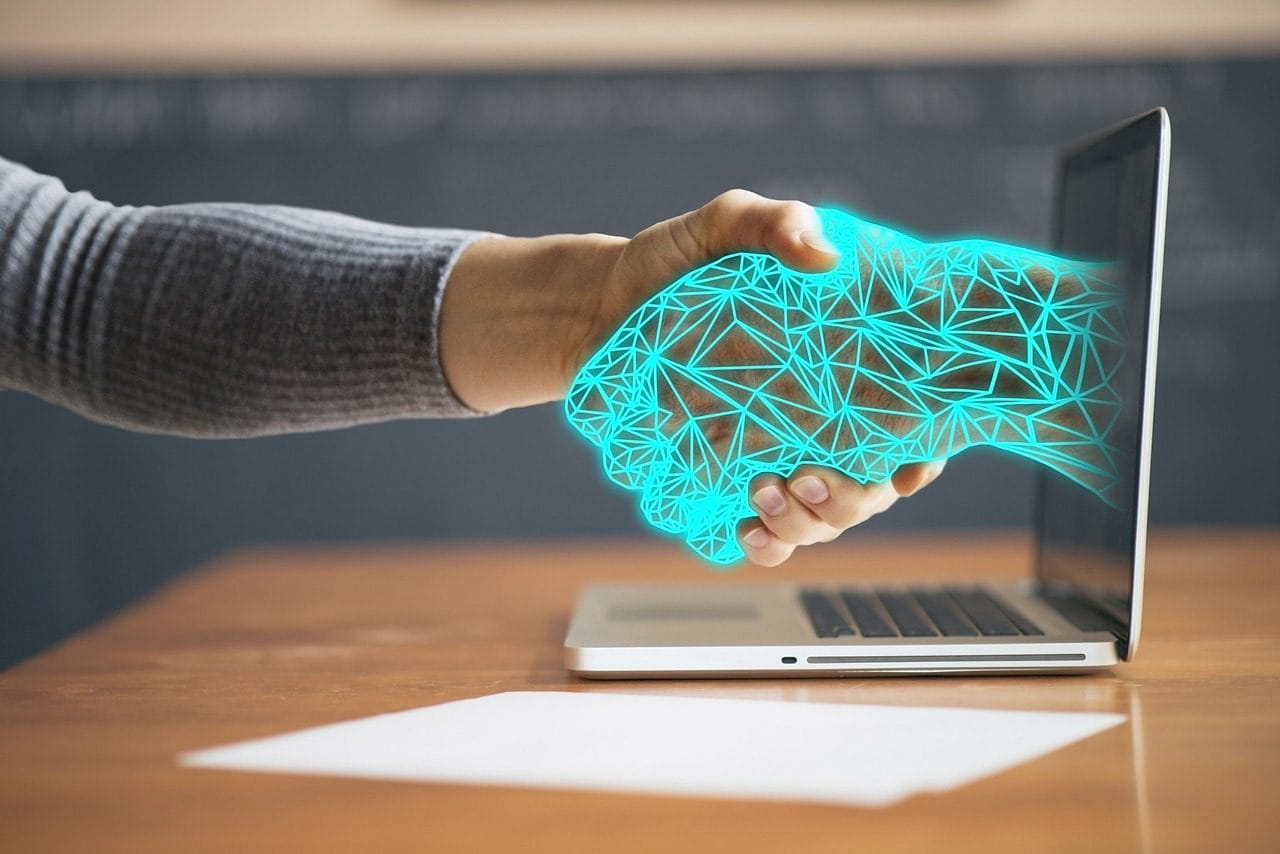
AI will not replace humans — it will augment us. The World Economic Forum predicts AI will replace 84 million jobs but create 97 million new ones by 2025. The key is collaboration: humans bring creativity and critical thinking; machines bring speed and precision. The future belongs to “super-teams” of humans and AI working together.
1. The Impact of Robots and AI on the Job Market
1.1 Robots and AI Expected to Replace Some Workers
This advancement has raised concerns about the potential replacement of human workers. While some experts predict significant job displacement, others believe these technologies will create more jobs than they eliminate.
1.2 Debates on Job Displacement and Creation
The impact of robots and AI on the job market has sparked intense debates:
- One side: Concerns about massive job displacement across industries
- Other side: Arguments that AI will create entirely new categories of work
1.3 Need for Improved Education
To thrive in an increasingly automated world, individuals need skills that complement AI — which are uniquely human traits:
- Critical thinking
- Problem-solving
- Creativity
- Emotional intelligence
2. The Role of Humans in Working with Robots
2.1 Focus on Critical Thinking
As robots become more prevalent, humans need to focus on tasks requiring critical thinking and problem-solving based on unique human insights and intuition.
2.2 Humans Training Machines
By providing inputs, explanations, and feedback, humans can teach machines to perform tasks more effectively. This collaborative approach ensures responsible and ethical use of technology.
2.3 Collaboration Between Humans and Machines
The most significant advancements occur when humans and machines collaborate:
- Humans bring: Creativity, intuition, and critical thinking
- Machines provide: Precision, speed, and data processing
3. Jobs at Risk and Jobs Safe from AI
3.1 Jobs at Risk from AI Automation
The following roles face higher risk of AI-driven automation:
- Customer service representatives
- Driving and transportation
- Programming and code generation
- Research analysis
- Paralegals
- Factory work and manufacturing
- Financial trading
- Content writing
- Graphic design
3.2 Jobs Safe from AI Replacement
These roles remain safe due to complex human interaction and empathy:
- Teachers and educators
- Nurses and healthcare workers
- Social workers
- Therapists and counselors
- Lawyers
- HR specialists
- Writers and creative authors
- Artists
4. Preparing for the AI Revolution
4.1 The Pandemic Accelerated AI Adoption
The COVID-19 pandemic accelerated AI adoption across industries. With labor gaps and workforce shortages, companies turned to automation to fill critical gaps.
4.2 Government and Corporate Responsibility
Governments and companies must prioritize education, training, and upskilling the existing workforce to prepare for the AI-driven economy.
4.3 Essential Skills for the AI Era
Workers should develop these essential skills to remain competitive:
- Basic mathematics
- Strong communication
- Creativity
- People management
- Emotional intelligence
- Critical thinking
- Problem-solving
Conclusion
The best outcome is AI-human interaction, where both complement each other for a better life. This partnership between man and AI is key to sustainable growth.
The concept of “super-teams” — groups of people and intelligent machines working together — delivers outcomes neither could achieve alone.
🔥 Final Thought
AI is not here to replace you — it’s here to challenge you to become more human. Focus on the skills machines cannot replicate: empathy, creativity, critical thinking, and collaboration.

Mohamed Ibrahim explores how technology reshapes human behavior, relationships, and society at Tech’s Impact: Rewiring Society and Concepts. His research-backed writing helps readers navigate the digital age without losing what matters most.