Introduction
Next-generation wearables are transforming how we interact with technology daily, integrating AI, advanced health monitoring, and seamless connectivity.
Wearable technology has evolved far beyond basic fitness trackers into sophisticated devices that learn and adapt.
From smartwatches that detect irregular heartbeats to AR glasses enhancing productivity, these devices are becoming indispensable.
In this post, we’ll explore the latest innovations, benefits, and future trends in next-generation wearables, helping you understand why they are the future of personal tech.
What Are Next-Generation Wearables?
Next-generation wearables are advanced versions of traditional smart devices, equipped with cutting-edge features like:
- AI and machine learning for personalized insights
- Enhanced health monitoring (ECG, blood oxygen, sleep tracking)
- Extended battery life with energy-efficient processors
- Seamless connectivity (5G, Wi-Fi 6, Bluetooth 5.0)
- Flexible and durable designs (foldable screens, eco-friendly materials)
🔑 Key Takeaway
Next-gen wearables combine AI, advanced health sensors, extended battery life, 5G connectivity, and flexible designs—evolving far beyond basic fitness trackers.
Key Innovations in Next-Gen Wearables
Health and Wellness Monitoring
Modern wearables now include:
- ECG & Blood Pressure Sensors (e.g., Apple Watch, Samsung Galaxy Watch)
- Glucose Monitoring—non-invasive tech currently in development
- Mental Health Tracking—stress and anxiety detection via heart rate variability
AI-Powered Personalization
- Voice assistants (Siri, Google Assistant, Alexa) for hands-free control
- Predictive analytics—suggesting workouts and reminders based on habits
- Adaptive displays—adjusting brightness and notifications based on context
Augmented Reality (AR) Glasses
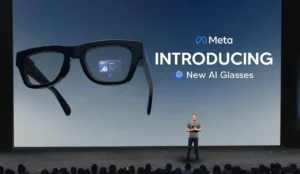
- Smart glasses (like Meta Ray-Ban, Google Glass Enterprise)
- Real-time translations & navigation overlaid on your field of view
- Hands-free productivity for professionals in the field
Sustainable and Flexible Designs
- Solar-powered wearables for extended outdoor use
- Biodegradable materials reducing electronic waste
- Stretchable electronics for better comfort during physical activity
Benefits of Next-Generation Wearables
- Improved Health Management: Early detection of medical conditions like atrial fibrillation and sleep apnea
- Enhanced Productivity: Hands-free notifications and AR-assisted tasks
- Personalized Experiences: AI-driven recommendations tailored to your lifestyle
- Seamless Connectivity: Faster data transfer with 5G and Wi-Fi 6
- Fashion & Functionality: Stylish designs that blend with everyday wear
Future Trends in Wearable Technology
Brain-Computer Interfaces (BCIs)
Devices controlled by thoughts, enabling direct neural communication with digital systems.
Smart Clothing
Embedded sensors in fabrics for continuous health tracking without dedicated devices.
Self-Charging Wearables
Kinetic and thermal energy harvesting—powering devices from your body’s movement and heat.
Advanced Biometrics
DNA analysis via wearable patches for personalized medicine and health insights.
💡 What’s Next
The future of wearables includes BCIs, smart clothing, self-charging tech, and DNA-level biometrics—making health monitoring truly invisible and continuous.
Conclusion
Next-generation wearables are revolutionizing personal technology, offering smarter health monitoring, AI-driven insights, and seamless connectivity. This is the next phase of the tech and smart life movement.
As innovations like AR glasses and BCIs emerge, these devices will become even more integrated into our daily lives.
The question is no longer whether you’ll wear a smart device—it’s how many you’ll wear, and how seamlessly they’ll blend into your life.
FAQs
What makes next-generation wearables different from older models?
They feature AI-powered insights, advanced health sensors (ECG, blood oxygen), longer battery life, and better connectivity (5G, Wi-Fi 6). Older models were primarily step counters and notification mirrors.
Are next-gen wearables secure and private?
Most use encryption for data transmission, but users should review privacy settings to protect sensitive health data. Choose devices from manufacturers with strong privacy track records.
Which is the best next-gen wearable for health tracking?
The Apple Watch Series 9 and Samsung Galaxy Watch 6 are top choices for comprehensive health monitoring, including ECG, blood oxygen, and sleep tracking.
Will smart clothing replace traditional wearables?
Not entirely, but smart fabrics will complement devices like smartwatches. Think of them as additional data sources rather than replacements.
How long do next-gen wearables last on a single charge?
Depending on usage, some last 7-14 days (e.g., Garmin watches), while others with advanced displays need daily charging (e.g., Apple Watch).
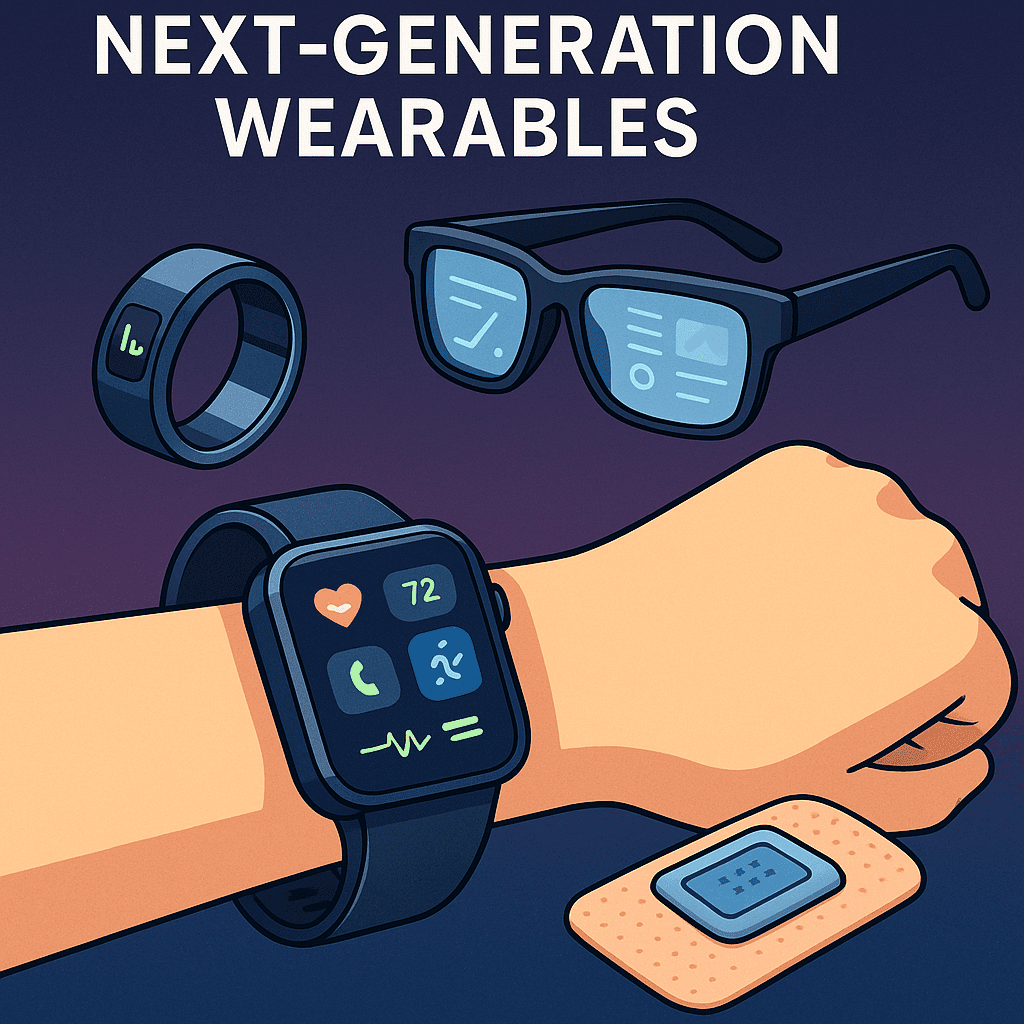
A pattern of the Next-Generation Wearable Devices

Mohamed Ibrahim explores how technology reshapes human behavior, relationships, and society at Tech’s Impact: Rewiring Society and Concepts. His research-backed writing helps readers navigate the digital age without losing what matters most.