Introduction
Understanding the fallacies of watch and mobile diagnosis is essential before trusting your smart devices with your health. We’re about to spill some tea on that fancy watch and phone-shaped healthcare assistant you’ve cuddled up with.
These gadgets count your steps, monitor your heart rate, and assure you that a 10-minute pant-and-puff was a “workout.” But let’s not overlook the fallacies of watch and mobile diagnosis that these devices can fall into.
1. Fallacy 1: Fake Accuracy
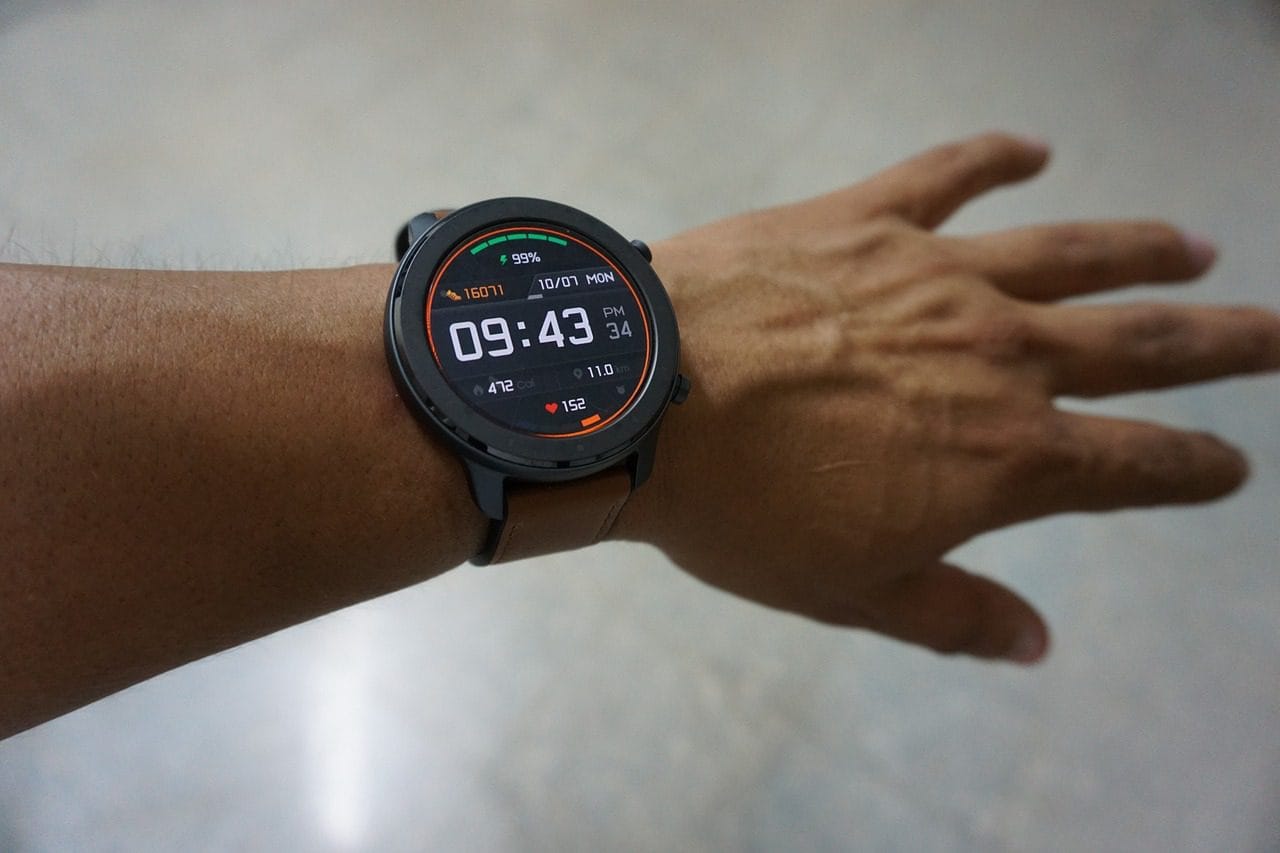
You thought tracking your heart rate was as easy as strapping on a smartwatch? Hold your horses — or rather, hold your heartbeats. Heart rate monitors have a margin of error wider than the gap in a blockbuster actor’s teeth.
And let’s not even get started on calorie counting. Have you ever tried punching in “lasagna” on your health app? Good luck navigating the labyrinth of portion sizes, ingredients, and recipes that pop up. Calorie estimates from wearables can be off by 20-40%.
2. Fallacy 2: One Size Fits None
Truth bomb: those step counters on your mobile device and fancy watch are not as precision-tested as NASA gadgets. The step count goes up when you move, but it also ticks when you enthusiastically wave hello to your buddy, pet your cat, or even shake the watch to cheat.
Wearables use generalized algorithms based on average body types that may not match yours. A device designed for a 180-pound male may give very different (and less accurate) results for others.
3. Fallacy 3: Data Without Context
Your watch says your heart rate spiked at 3 AM. Panic? Not necessarily. Data without context is meaningless. Was it a nightmare? Room too hot? Or just a glitch in the sensor?
Health metrics need to be interpreted within the full picture of your lifestyle, medical history, and actual symptoms. No algorithm can replace clinical judgment.
4. Fallacy 4: The Anxiety Loop
Ironically, health tracking can create health anxiety. Every irregular heartbeat notification, every sleep score below 85, every “high stress” alert can send users into a spiral of worry — often about perfectly normal variations.
This phenomenon, sometimes called “orthosomnia” (obsessing over perfect sleep data), shows how well-intentioned tracking can backfire on mental health.
Conclusion
Wearable health tech is a fantastic motivational tool, not a replacement for medical advice. These devices are part of the tech and smart life ecosystem. Use your devices to track trends over time, stay active, and spot potential concerns — but always consult a real doctor for actual diagnoses. Your watch can tell you a lot, but it can’t replace a human being with a medical degree.


Mohamed Ibrahim explores how technology reshapes human behavior, relationships, and society at Tech’s Impact: Rewiring Society and Concepts. His research-backed writing helps readers navigate the digital age without losing what matters most.